Embroidering a Tribute to Dialysis Nurses
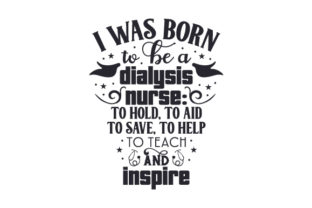
When an embroidery design like "I Was Born to Be a Dialysis Nurse to Hold, to Aid, to Save, to Help, to Teach and Inspire" lands in my queue for review, I approach it with a designer’s eye for application and a crafter’s mind for practicality. This isn't just a digital embroidery file; it’s a statement, a badge of honor meant to be worn or displayed. My first impression is one of heartfelt dedication. The layout, centered around a clear, strong profession, communicates a sense of purpose and pride. It’s not overly decorative or fussy—its power lies in its directness, making it a prime candidate for projects where the message itself is the primary decoration.
Where This Design Finds Its True Home
This design naturally belongs to the world of personalized gifts and recognition items. Imagine a seasoned dialysis nurse retiring, or a team celebrating a milestone. An embroidered tote bag carrying this sentiment would be a deeply appreciated gift. The straightforward, text-centric nature of the design makes it incredibly versatile for custom apparel. It would stitch out beautifully on the chest of a classic crewneck sweatshirt or on the back of a zip-up hoodie for a nursing unit. For a more subtle application, consider a neat, crisp placement on a professional apron or a cap. The emotional weight of the phrase lends itself perfectly to keepsake items like a pillow cover or a framed patch for a nurse’s home office.
In a craft business context, this is a strong digital embroidery file for Etsy sellers or small shop owners specializing in medical-themed products or personalized recognition gifts. It could be the centerpiece of a boutique’s line of "Healthcare Hero" merchandise. For apparel decorators, it’s a ready-made design for client orders from nursing schools, dialysis centers, or individual nurses wanting to celebrate their own path. The "Medical" category is clear, but its execution is firmly in the realm of "Crafts"—it’s about translating respect and identity into a tangible, handmade product.
Stitching Considerations for Real-World Projects
Now, let’s talk about how this design performs in real-life embroidery situations. The phrase is lengthy, which means the overall design area will be relatively wide. This is crucial for planning your hoop size and placement. On a tote bag or sweatshirt, you’ll have ample space. On a baby item or a smaller cap, you might need to consider a condensed version or select a different design, as scaling it down too much could compromise the clarity of the lettering.
The detail level here is primarily in the text. Small lettering, especially with multiple lines, requires attention. You must test this embroidery design on scrap fabric first. Use a sturdy stabilizer appropriate for your base material—this is non-negotiable for keeping all those words sharp and readable. Check your thread color contrast meticulously. On dark fabric like a navy sweatshirt, a bright, clean white or a bold contrasting color will make the statement pop. On light fabrics, a classic navy or black would provide professional weight. Stitch density in the fill areas (likely in the main text) needs to be balanced; too dense on a lightweight t-shirt could lead to puckering, while too light on a thick towel might look faint.
Navigating Tricky Fabric and Application Scenarios
Use this design carefully on very stretchy fabric or thin fabric without proper stabilization, as the text could distort. Textured fabrics like some sweaters might obscure the clean edges of the lettering. For curved surfaces like caps, the long, linear layout might require expert placement and hooping to ensure it sits correctly without warping the message. The beauty of receiving files in formats like SVG and EPS is the flexibility for adjustment, but always respect the original design's proportions when scaling.
When creating an embroidered patch, this design would be powerful, but ensure the backing is robust enough to support the detailed text without fraying at the edges over time. For products destined for frequent washing, like kitchen towels or everyday apparel, choose high-quality thread and secure stitching techniques to ensure the tribute lasts.
The Impact on Your Product and Your Customer
From a business perspective, stitching out "I Was Born to Be a Dialysis Nurse" affects more than just the fabric. It elevates the visual appeal of your product by attaching a profound personal meaning. The clarity of the stitching directly impacts perceived product value and customer trust—a crisp, professional embroidery job on this design speaks volumes about your craftmanship. For a handmade presentation, it shows thoughtful selection of content, moving beyond generic patterns.
This design enhances giftability immensely. It’s not a random motif; it’s a specific, honored acknowledgment. For the recipient, or a buyer purchasing for a recipient, the recognition is immediate and emotional. This drives buyer engagement in a niche market. For your brand, if you specialize in medical or appreciation-themed crafts, consistently offering well-executed designs like this builds consistency and professionalism. It tells your customers you understand the sentiment behind the stitch.
Practical Notes for the Embroidery Designer
Before running this machine embroidery design on a final project, my routine checklist applies strongly here. Always test on a scrap of your intended final fabric. Review stitch density by examining a test piece closely—are the fills solid without overcrowding, are the outlines clean? Confirm your hoop size can accommodate the design width comfortably. Inspect the small details in the lettering; sometimes tiny serifs or connections can get lost if the scale or stitch type isn’t optimal.
It’s wise to test the design in black and white mockups to visualize its form separately from color, and compare how it looks on both light and dark fabric backgrounds digitally before you stitch. As you prepare, ask yourself: Is this for a personal gift or a commercial embroidery project? If you’re an Etsy seller or digital product seller offering finished items, always confirm the licensing terms for the design file you purchased. Most importantly, use proper stabilizer for the fabric to honor the detail in this meaningful phrase.
Ultimately, "I Was Born to Be a Dialysis Nurse to Hold, to Aid, to Save, to Help, to Teach and Inspire" is more than a craft; it’s an embodiment of a calling. Your skill as an embroiderer transforms that digital file into a physical token of respect. By choosing the right project, fabric, and technique, you create a finished product that holds weight far beyond its threads.