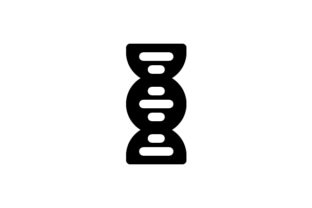
A Designer's Take: The DNA Glyph Icon for Embroidery Projects
When a DNA glyph icon lands on my design screen, I’m immediately thinking beyond pixels. I’m envisioning stitches. This particular icon, with its clean, double-helix structure framed within a neat circle, presents a fascinating case for embroidery. It’s not just a graphic; it’s a symbol ripe for translation into thread on fabric. My first impression is one of controlled scientific elegance. It feels modern, precise, and carries a narrative of life, science, or personal identity. This isn’t a whimsical floral motif; it’s a design with intellectual and emotional weight, which opens up a very specific, and potentially lucrative, niche for embroidery products.
Where This Icon Finds Its Perfect Stitched Home
The DNA theme naturally suggests projects for the curious, the learned, or those celebrating connection. Imagine a custom embroidered tote bag for a biology student, a subtly elegant patch on a lab coat, or a thoughtful gift for a newlywed couple with their initials embedded in the design concept. I can see it working beautifully on the corner of a high-quality cotton pillow cover in a home office, or as a singular, meaningful accent on a minimalist sweatshirt. For small businesses in the medical, educational, or tech spheres, this icon could become a subtle branding element on staff aprons or company merchandise. Its clarity makes it a strong candidate for digital product mockups, showcasing a potential embroidery file for other crafters.
For crafters and Etsy sellers, this glyph taps into a market looking for personalized, meaningful gifts beyond generic patterns. A baby item embroidered with this DNA symbol could be a profound gift for a new parent, speaking to heritage and new life. It has that giftability factor—it feels special and considered. As a boutique product, it conveys a level of sophistication that generic designs often lack, potentially increasing perceived value and customer trust in your handmade presentation.
The Practical Stitch: Considerations Before Hooping the Fabric
In real-life embroidery situations, this design’s success hinges on its translation from vector paths to stitches. The clean lines and the circular border are advantageous. The 2px line detail mentioned in the specs suggests fine lines, which in embroidery often translate to running stitches or delicate satin stitches. This means on fabrics like textured linen or a stretchy cotton tee, using a proper stabilizer is non-negotiable to maintain the glyph’s sharpness.
The fact that it’s built on a grid for pixel-perfect rendering at a specific size is promising for consistency, but for us, it’s about hoop size. The design likely has a natural scale where its details remain clear. I would advise testing it on scrap fabric first at various sizes to find the sweet spot. Too small, and those helical details might become a dense, muddled blob. Too large on a cap’s curved surface, and the satin stitch areas could become overly thick. The included file formats—EPS, AI, SVG—are excellent for vector editing, allowing you to adjust colors or integrate it into larger compositions before creating your final embroidery file.
Caution Zones: Where the Design Demands Extra Care
This icon should be used carefully on certain projects. Dark fabrics will require a thoughtful thread color choice to ensure the contrast pops without the fine lines getting lost. Layered garments with seams or pockets might distort the perfect circle if placement isn’t considered. For products needing frequent washing, like kitchen towels or baby clothes, a denser fill stitch version of the icon might hold up better than a delicate open outline—testing wash durability on your scrap piece is crucial.
The small, intricate corners of the DNA helix itself are the areas to inspect closely in your test stitch. If the embroidery file has overly dense stitch areas there, it could lead to puckering on thin fabrics. Always check the stitch density and pathing in your embroidery software preview. Similarly, applying it to a tiny patch means simplifying might be necessary; the full detail might only shine on a larger, stable canvas like a tote bag or pillow.
How This Glyph Elevates Your Embroidery Project
From a commercial and aesthetic standpoint, a well-executed DNA glyph embroidery adds significant value. It moves beyond decoration into storytelling. For a client project, it demonstrates an understanding of their personal or professional narrative. For your craft business, it expands your catalog into a niche that attracts engaged buyers looking for something specific. Its professional, clean look enhances brand consistency for entrepreneurs in science or education fields.
The visual appeal comes from its stark clarity and symbolic power. When stitched with precision, it commands attention through its meaning, not just its color. This can lead to higher customer engagement in your Etsy listings or craft fair table, as people stop to ponder its significance. It feels less like a generic craft and more like a custom-made emblem.
Final Designer Notes Before You Stitch
My practical advice is always to treat any new design as a prototype. Test this DNA Glyph Icon on both light and dark fabric scraps to finalize your thread palette. Run it through black and white mockups in your design software to ensure the form holds up without color. Confirm the licensing terms of the original graphic asset before selling finished items or commercial embroidery files derived from it—this is critical for digital product sellers.
Remember, the source files are vector graphics, not direct embroidery files. You or your digitizer will need to translate them, considering stitch types—will the circle be a satin stitch border? Will the helix be a fill stitch or a running stitch path? This decision drastically changes the final look and fabric suitability. Once you’ve nailed that translation and tested it, this icon can become a unique and powerful staple in your lineup for custom apparel, personalized gifts, and small shop merchandise. It’s a design that, when stitched well, carries a story in every thread.